Education, identity and opportunity
Helping every child discover who they can become
Meri Pehchan—“My Identity”—provides free, welcoming education for children from different backgrounds in Faisalabad, Pakistan. Our curriculum helps children strengthen their academic foundations, discover their abilities and develop the confidence to participate in their communities.
We believe that education is not only about remembering information. Children also need opportunities to ask questions, express ideas, solve problems, work with others and understand the world around them. Learning should help every child recognize their own value and imagine a hopeful future.
The curriculum is flexible because children may join the school with different educational experiences, ages and skill levels. Activities are adapted so that every learner can participate, make progress and experience success.
Foundations for a hopeful future
Our main goals
The curriculum aims to help children:
- Develop practical reading, writing and mathematics skills.
- Communicate confidently in everyday situations.
- Become curious, independent and motivated learners.
- Use computers, the internet and artificial intelligence safely.
- Understand health, hygiene, safety and personal well-being.
- Develop creativity through art, stories, music and practical projects.
- Recognize and manage emotions.
- Cooperate peacefully and respectfully with others.
- Understand their rights and responsibilities.
- Appreciate different cultures, religions and backgrounds.
- Develop skills that are useful at school, at home and in working life.
- Build confidence in their identity, abilities and future.
Finding and sharing your voice
Language and communication
Language learning helps children understand others and make themselves heard. Activities develop speaking, listening, reading and writing in Urdu and English according to each child’s level.
Children practise:
- Recognizing letters, sounds and common words.
- Reading short texts, instructions, signs and stories.
- Writing letters, words, sentences and short paragraphs.
- Introducing themselves and describing their experiences.
- Listening carefully and responding to questions.
- Learning useful everyday vocabulary.
- Telling stories in a clear sequence.
- Expressing opinions respectfully.
- Participating in discussions and group presentations.
- Using dictionaries and digital language-learning resources.
Stories, pictures, games, songs and role-play make language learning meaningful. Children are encouraged to write about familiar subjects such as family, school, friendship, hopes and their local community.
Older or more advanced learners may write reports, letters, stories, instructions and short presentations. They also learn to identify reliable information and summarize what they have read.
Numbers for everyday life
Mathematics and problem-solving
Mathematics is taught through practical situations rather than isolated exercises alone. Children learn to use numbers confidently in everyday life.
Topics include:
- Recognizing, reading and writing numbers.
- Counting and comparing quantities.
- Addition, subtraction, multiplication and division.
- Fractions, decimals and percentages at appropriate levels.
- Measurement of length, weight, volume and time.
- Reading clocks, calendars and schedules.
- Recognizing shapes, patterns and symmetry.
- Using money and calculating prices or change.
- Understanding tables, charts and simple statistics.
- Estimating and checking whether an answer is reasonable.
- Solving problems using different strategies.
Activities may involve measuring classroom objects, planning a small budget, comparing prices, collecting information or creating graphs. Puzzles and mathematical games help children develop patience, logical thinking and confidence.
Curiosity about our world
Science and the world around us
Science encourages children to observe, investigate and ask why things happen. Lessons connect scientific ideas to daily life and the local environment.
Children explore subjects such as:
- The human body and the five senses.
- Food, nutrition and healthy habits.
- Plants, animals and their habitats.
- Water, air, weather and seasons.
- Materials and how they change.
- Light, sound, heat and electricity.
- Earth, the solar system and the universe.
- Environmental protection and responsible use of resources.
- Climate, extreme heat, floods and other local environmental risks.
- Simple machines and everyday technology.
Whenever possible, learning includes experiments, demonstrations, observation and practical investigation. Children learn to make predictions, record results and explain what they discovered.
Safety is always emphasized. Children are taught never to perform dangerous experiments or handle electrical equipment without appropriate supervision.
Creating safely with technology
Digital skills and media literacy
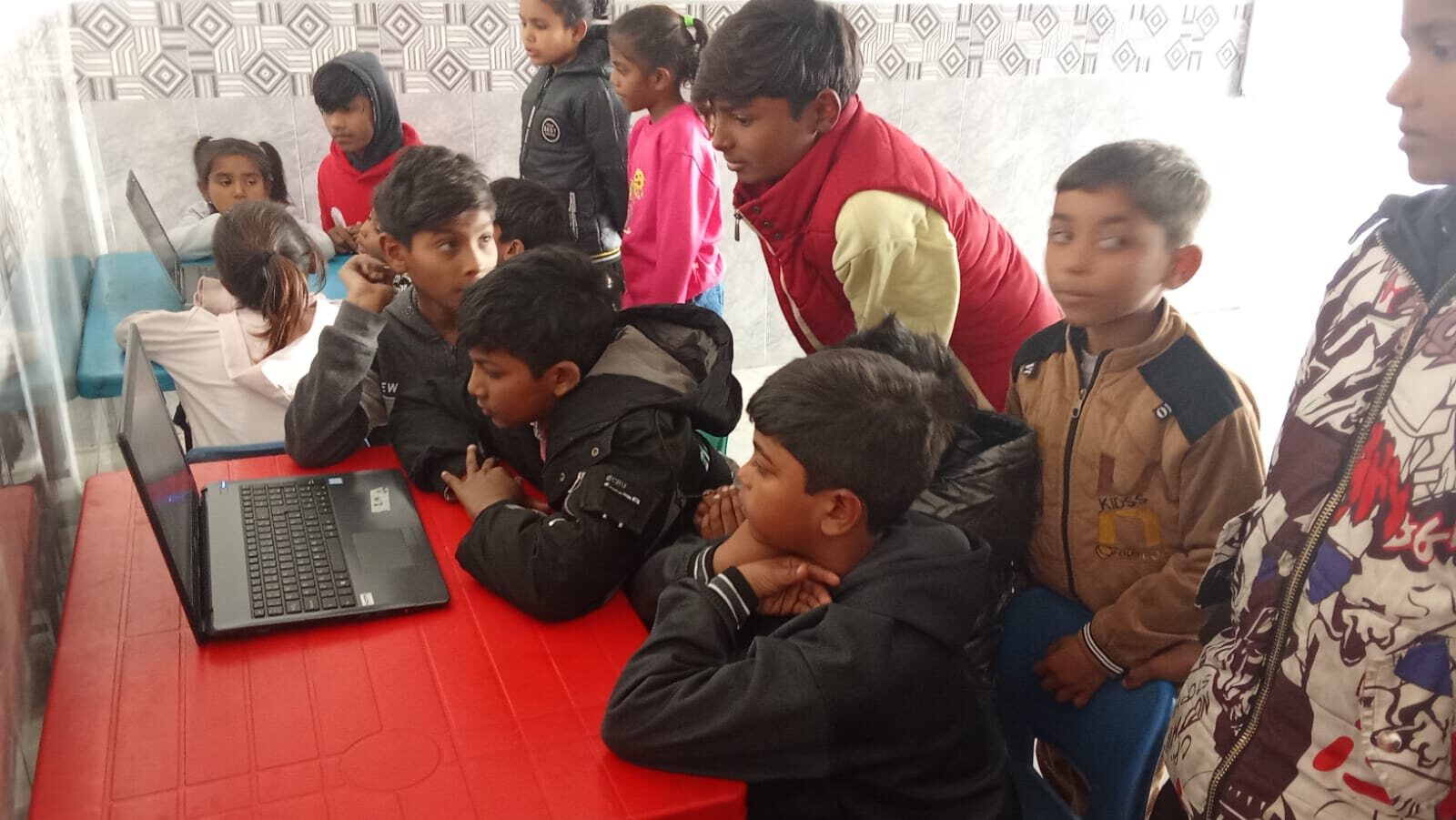
Digital knowledge can open new opportunities for education, communication and employment. Children learn to use technology as a tool for creating and learning—not only for entertainment.
Digital learning includes:
- Basic computer and keyboard skills.
- Using a mouse, touchscreen and common applications.
- Creating and saving documents.
- Simple word-processing and spreadsheet activities.
- Searching for useful information online.
- Using educational videos and learning applications.
- Creating drawings, presentations and simple digital projects.
- Understanding how artificial intelligence tools work at a basic level.
- Asking clear questions when using digital tools.
- Checking whether online information is trustworthy.
- Protecting passwords and personal information.
- Recognizing online scams, harmful content and cyberbullying.
- Respecting copyright and the work of others.
- Balancing screen time with physical, social and creative activities.
Children learn that computers and artificial intelligence can make mistakes. They are encouraged to think critically, compare sources and ask a trusted adult when they are uncertain.
Imagination has a place here
Creativity and self-expression
Creative activities allow children to communicate ideas that may be difficult to express through words alone. They also strengthen concentration, coordination and confidence.
Activities may include:
- Drawing and painting.
- Paper crafts and model building.
- Music, rhythm and singing.
- Drama and role-play.
- Storytelling and creative writing.
- Photography and simple video projects.
- Designing posters or educational games.
- Reusing everyday materials in creative projects.
- Presenting finished work to the group.
The focus is on imagination and participation rather than artistic perfection. Children are encouraged to experiment, make choices and develop their own style.
Skills for a healthy, independent life
Life skills, health and safety
Children need practical knowledge that helps them care for themselves and make responsible decisions.
Life-skills education covers:
- Personal hygiene and cleanliness.
- Nutrition, hydration and physical activity.
- Prevention of common illnesses.
- Safety during extreme heat and monsoon weather.
- Flood awareness and emergency preparation.
- Road and traffic safety.
- Basic first-aid awareness.
- Safe use of electricity, fire and household equipment.
- Communication and active listening.
- Making thoughtful decisions.
- Setting achievable personal goals.
- Organizing time and belongings.
- Understanding money, saving and responsible spending.
- Asking for help from a safe and trusted adult.
Sensitive topics are approached carefully and in an age-appropriate way. Children are taught that they have the right to feel safe and to speak to a trusted adult if something worries them.
Understanding ourselves and others
Emotional and social learning
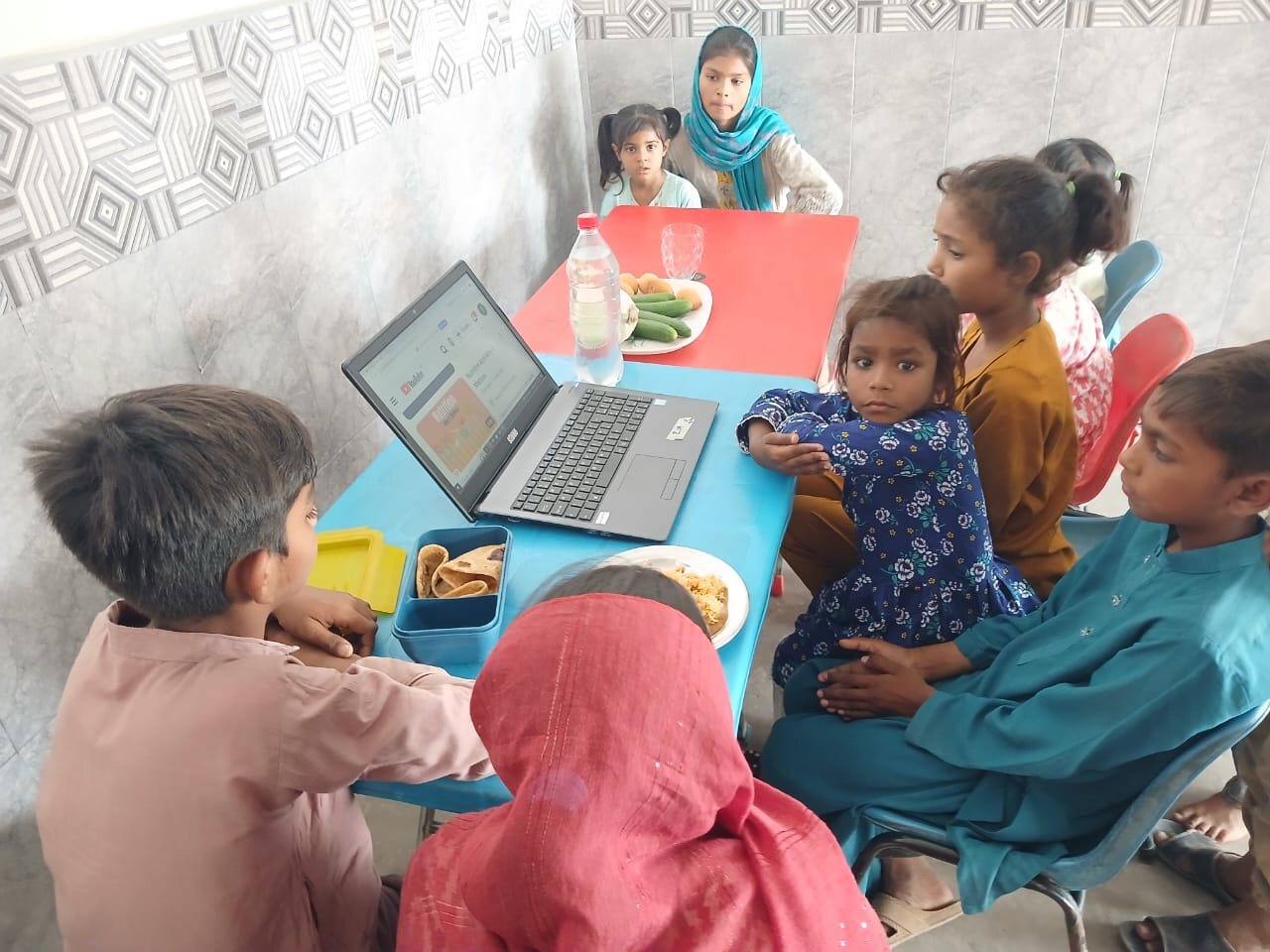
A child’s emotional well-being affects their ability to learn. The school therefore creates opportunities to recognize feelings, build healthy relationships and resolve disagreements peacefully.
Children practise:
- Naming and understanding emotions.
- Recognizing personal strengths.
- Developing a positive but realistic self-image.
- Managing frustration and disappointment.
- Calming themselves during difficult situations.
- Showing kindness and empathy.
- Taking turns and sharing responsibility.
- Working with different classmates.
- Giving and receiving constructive feedback.
- Solving conflicts without violence.
- Respecting personal boundaries.
- Celebrating the success of others.
Teachers and volunteers model respectful communication. Mistakes are treated as opportunities to learn rather than reasons for shame.
Growing into responsible citizens
Rights, responsibilities and citizenship
Children learn that every person has dignity and deserves respect. They explore the connection between individual rights and responsibilities toward others.
Topics include:
- Children’s rights and the right to education.
- Equality and inclusion.
- Respect for different religions, cultures and family backgrounds.
- Freedom of thought and responsible expression.
- Fairness and peaceful problem-solving.
- Caring for shared spaces.
- Helping others and participating in community life.
- Environmental responsibility.
- Understanding rules and why communities need them.
- Recognizing misinformation, prejudice and discrimination.
Activities may include discussions, stories, role-play, community observations and collaborative projects. Children are encouraged to consider how their actions affect other people.
Healthy bodies and joyful movement
Physical activity and play
Movement and play support physical health, cooperation and emotional well-being. Activities are selected according to the available space, weather and children’s needs.
They may include:
- Stretching and simple exercises.
- Coordination and balance activities.
- Running and movement games.
- Team challenges.
- Traditional children’s games.
- Rhythm and movement.
- Outdoor exploration.
- Relaxation and breathing exercises.
Fair participation is more important than competition. Children learn to follow rules, encourage teammates and handle both winning and losing respectfully.
Many ways to learn
Learning methods
Lessons combine different approaches so children can learn in ways that suit them. Methods include:
- Short teacher explanations.
- Demonstrations and examples.
- Individual exercises.
- Pair and group work.
- Games, puzzles and quizzes.
- Practical experiments.
- Creative projects.
- Educational technology.
- Discussion and storytelling.
- Outdoor and community-based learning.
- Reflection at the end of an activity.
New subjects often begin with something familiar from the children’s daily lives. Teachers then introduce new ideas gradually and provide opportunities to practise them.
Children are encouraged to ask questions. When a child gives an incorrect answer, the teacher helps them examine their thinking and try another approach.
Every learner belongs
Inclusion and individual support
Children are not expected to learn at the same speed. Activities can be simplified, extended or presented in different ways.
Support may include:
- Additional examples and demonstrations.
- Visual instructions and pictures.
- More time to complete an activity.
- Working with a partner.
- Breaking a task into smaller steps.
- Revisiting essential reading or mathematics skills.
- Providing more advanced challenges when appropriate.
- Allowing children to demonstrate learning through speech, drawing or practical work.
The school avoids comparing children unfairly. Progress is considered in relation to each learner’s starting point, effort and development.
Progress without pressure
Following progress
Assessment is used to support learning, not to frighten or punish children. Teachers and volunteers observe how children participate, communicate and apply new skills.
Progress may be followed through:
- Conversations and oral questions.
- Reading and writing samples.
- Mathematics activities.
- Practical demonstrations.
- Drawings, projects and presentations.
- Group participation.
- Digital work.
- Short informal quizzes.
- Portfolios of completed activities.
- Children’s own reflections on what they learned.
Feedback should be clear, encouraging and useful. Children are told what they are doing well and what they can practise next.
Connecting knowledge through projects
Learning themes and projects
Different learning areas can be combined through shared themes. A project about water, for example, may include:
- Reading a text about clean water.
- Measuring quantities of water.
- Studying evaporation or the water cycle.
- Discussing hygiene and water conservation.
- Creating a poster or presentation.
- Identifying ways to protect water in the community.
Other possible themes include health, weather, peace, technology, local animals, food, children’s rights, the environment, space, celebrations and community safety.
Integrated projects help children see that language, mathematics, science, creativity and life skills are connected.
A place to learn and belong
A positive learning community
The curriculum is brought to life through a safe and respectful school culture. Children should feel welcome, listened to and able to participate without fear of humiliation.
Everyone at Meri Pehchan is encouraged to:
- Treat others with dignity.
- Listen when someone else is speaking.
- Include children who may feel left out.
- Care for learning materials and shared spaces.
- Ask for help when needed.
- Take responsibility for mistakes.
- Celebrate effort and progress.
- Remain curious and open to new ideas.
Our goal is not only to help children know more. We want them to understand themselves, recognize their abilities and develop the courage to keep learning throughout their lives.