Development Plan · School Year 2026–27
Proven locally.
Ready to reach further.
Meri Pehchan has grown from a hopeful idea into a trusted learning community. The project has supported hundreds of children in the Faisalabad area, giving them free access to education, technology, creativity and a place where they are listened to.
During the 2026–27 school year, we intend to aim higher: to strengthen what already works, expand our capacity and bring the success of Meri Pehchan to more children and communities.
A strong foundation for growth
The project has become a genuine success.
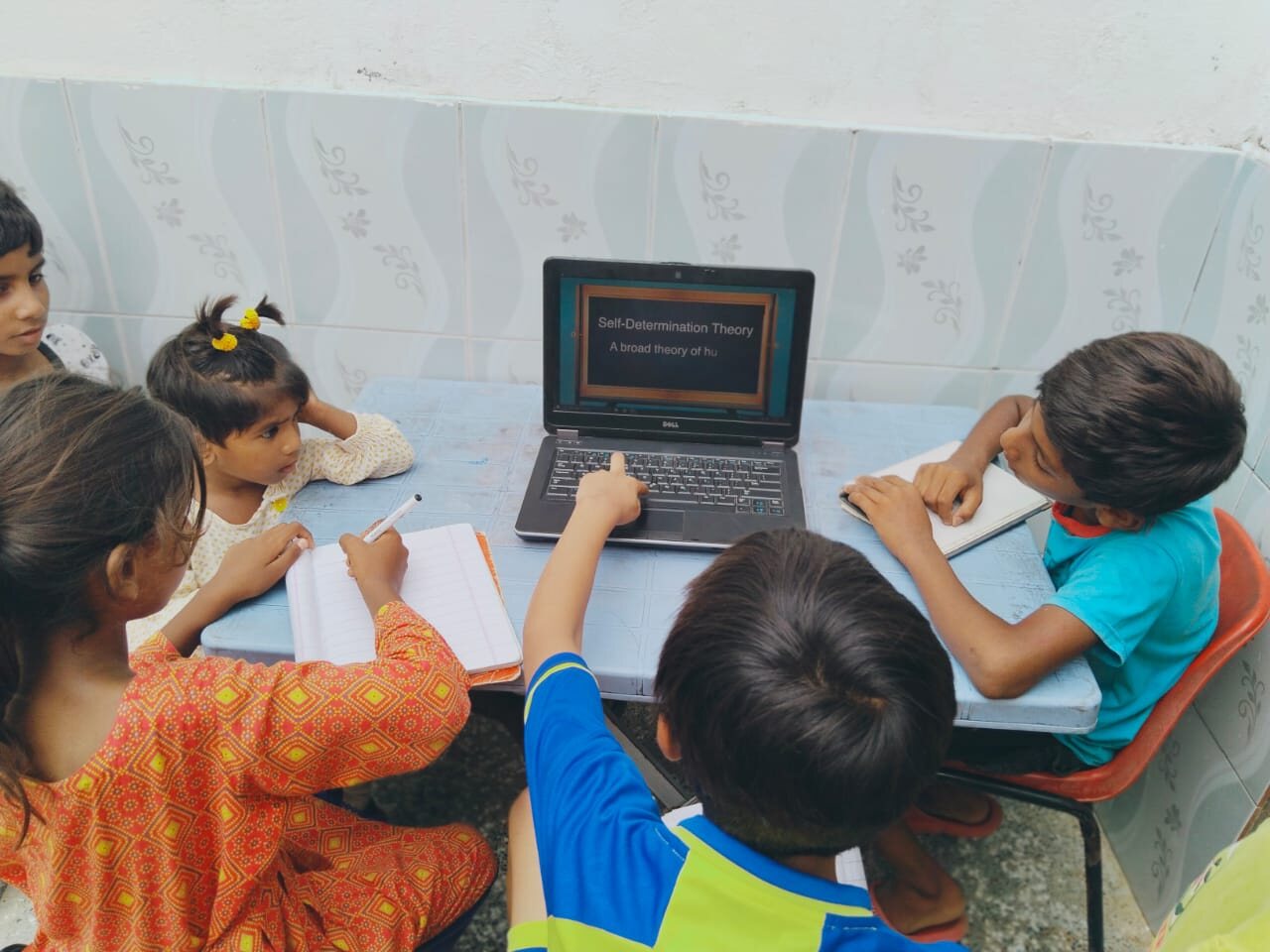
Over the life of Meri Pehchan, hundreds of children have taken part in its learning activities. They have explored reading, mathematics, technology, art, health, communication and the wider world. They have learned with computers and books, through discussion and practical projects, and from one another.
This success belongs to the children, families, volunteers, local coordinators, partner organizations and donors who have sustained the project. Together, they have shown that a welcoming, student-centred and community-based school can make education accessible to children who might otherwise be left behind.
Our next task is not to replace this model, but to strengthen it and share it more widely.
Our ambition for school year 2026–27
Grow without losing what makes Meri Pehchan special.
Expansion must be thoughtful and sustainable. We want to welcome more learners while protecting the personal attention, safety, flexibility and sense of belonging that have made the project successful. Our development work throughout the 2026–27 school year will be guided by six priorities.
Expand our reach
We will explore how to offer learning to more children in the Faisalabad area. This may include increasing places in existing groups, adding sessions or developing a carefully planned learning group in another nearby community.
- Map communities where access to education remains limited.
- Consult families and local partners before expanding.
- Pilot new activity only when staffing and funding are sustainable.
Strengthen learning spaces
Existing learning spaces must remain dependable as participation grows. We aim to improve equipment, connectivity, furniture, lighting, ventilation and the everyday materials needed for safe and varied activities.
- Maintain and replace laptops when necessary.
- Improve reliable internet access and basic technical support.
- Provide books, paper, art supplies, games and practical materials.
Invest in volunteers
The project succeeds because committed people guide and encourage the children. During the 2026–27 school year, we want to recruit, train and support more local volunteers while continuing to value the people who already give their time.
- Provide orientation in student-centred learning and safeguarding.
- Create practical activity guides and shared teaching resources.
- Support volunteers’ own learning and professional development.
Deepen the curriculum
Growth should mean more than additional places. It should also bring richer learning. We will strengthen literacy, mathematics, digital skills and life skills while protecting time for art, play, physical activity and curiosity.
- Adapt activities to different ages and starting levels.
- Develop safe, critical and creative uses of digital and AI tools.
- Connect learning with health, the environment and daily life.
Include families and communities
Lasting change grows through relationships. We will listen to children and families, keep evening learning accessible and build cooperation with people and organizations who understand local needs.
- Invite regular feedback from students and parents.
- Maintain equal access for girls and boys of every background.
- Develop community activities that share skills and knowledge.
Measure and share progress
As the project grows, we need a clearer picture of whom we reach and what children gain. Simple and respectful monitoring will help us improve, communicate honestly and use donations responsibly.
- Follow attendance, participation and individual learning progress.
- Document activities and outcomes without compromising privacy.
- Publish clear updates about achievements, challenges and finances.
The principle behind every decision
Expansion is meaningful only when every new learner is still known, respected and encouraged to participate.
A responsible path forward
School year 2026–27 roadmap
The timetable will remain flexible so that decisions can respond to funding, local circumstances and feedback from the community. The school year will follow four broad phases from September 2026 through August 2027.
Listen and prepare
Review recent activities, consult students, families and volunteers, assess equipment and learning spaces, identify potential new communities and prepare detailed priorities and costs.
Build capacity
Repair or purchase essential equipment, improve learning materials, recruit and train volunteers, and test additional sessions within the existing program.
Expand participation
Use what we have learned to expand participation and, if resources permit, pilot activities with children in another nearby community through a sustainable local partnership.
Evaluate and strengthen
Review participation and learning, gather feedback, celebrate the children’s work, report openly to supporters and decide which successful developments should continue in the 2027–28 school year.
How we will recognize progress
Success is growth with quality.
We will not judge the school year only by how many children enter a room. We will also look at whether they attend regularly, feel welcome, participate actively and develop useful knowledge and confidence.
- More children can participate regularly.
- Girls and boys continue to have equal access.
- Learners show progress in literacy, mathematics and digital skills.
- Children report feeling safe, respected and heard.
- Volunteers feel prepared, supported and able to develop.
- Learning spaces have dependable equipment and materials.
- Expansion remains financially and organizationally sustainable.
- Supporters receive transparent reports on activities and finances.
What growth requires
Turning ambition into opportunity.
The 2026–27 plan depends on sustainable funding and practical partnerships. A detailed, costed fundraising plan will be developed as needs, prices and expansion opportunities are confirmed.
The next chapter
We know this approach can work. During school year 2026–27, we want it to reach further.
The success of Meri Pehchan has been built through many small acts of commitment. With continued support, this school year can help more children learn, belong and recognize the possibilities ahead of them.